
Your First Rides, Explained Simply
No jargon, no pressure — just clear steps from saddle height to your first 10 km on real paths.
View ProgrammeFirst Pedal Programme — Three Sessions
90 minutes each, spread over two weeks, in a traffic-free park environment.
Session 1 — Setup & Balance
We start with bike fit: saddle height, handlebar reach, and helmet position. You practise mounting and dismounting without wobbling, then glide on a gentle slope to feel balance without pedalling. We cover braking — rear brake first for control, then front brake gently. Most people spend 20 minutes just getting comfortable before pedalling a full circle.
Session 2 — Gears & Steering
Learn when to shift: before the hill, not during it. We set up a short circuit with one mild incline and a few cones for steering practice. You will ride in a low gear uphill and a higher gear on the flat. We introduce hand signals — left arm out for turning left, right arm out for turning right — and practise looking over your shoulder without swerving.
Session 3 — First 5 km Loop
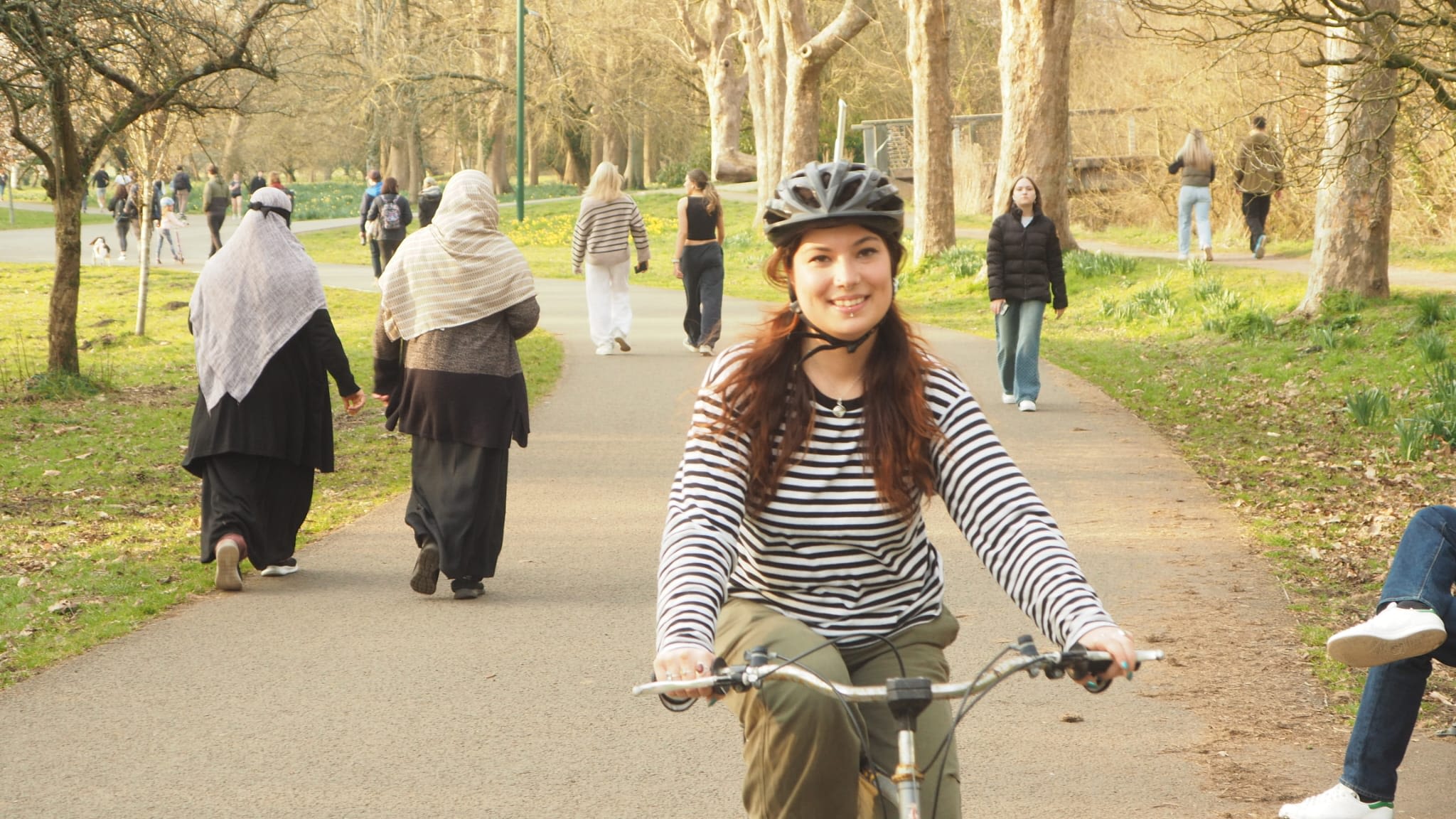
Put it together on a mixed path loop through Lister Park and quiet residential streets. Ride leader rides behind you, calling directions. We stop twice for water and a tyre pressure check. By the end, most participants feel ready to join a Social pace group ride on the canal.
Getting Your Bike Set Up Right
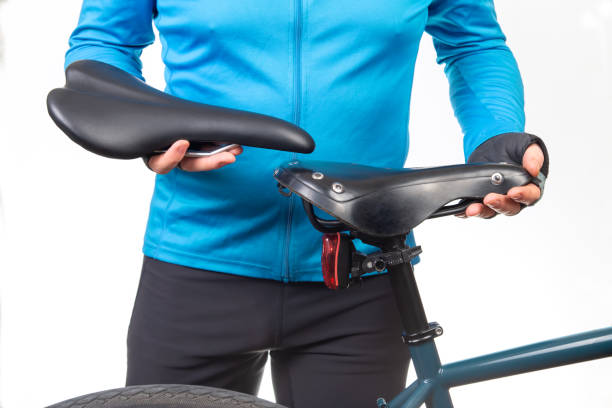
A poorly fitted bike makes everything harder. For saddle height, sit on the bike with your heel on the pedal at its lowest point — your leg should be almost straight. When you move to the ball of your foot, you will have the slight bend you need.
Handlebars should feel reachable without stretching your back. If you are on a hybrid bike, the saddle is usually 2–5 cm below the handlebar height for a comfortable upright position. City riders often prefer this; it gives you better visibility in traffic.
Tyre pressure matters more than most beginners realise. Check the sidewall for the recommended PSI range. Under-inflated tyres feel sluggish and pinch-flat more easily; over-inflated tyres bounce on rough paths. A floor pump with a gauge is a worthwhile purchase.
Practical Tips for New Riders
Building Leg Strength Gradually
Your first few rides will mainly use your quadriceps and calves. That is normal. Aim for 20–30 minutes rather than pushing for an hour on day one. Mild muscle soreness a day or two after your first ride is common; gentle walking may help.
Core stability develops over weeks as you ride more. Cycling itself is the best way to build comfort on the bike.
Breathing and Pace
If you cannot speak in short sentences, you are probably going too hard for a beginner session. Use the talk test: brief phrases between breaths on flat ground. On small hills, slow down or shift to an easier gear.
Start on flat routes like the canal towpath before adding hills. Three short rides per week is a sensible starting point for many beginners.
General cycling guidance only — not medical or fitness advice. Consult a qualified professional if you have health concerns before starting to ride.
Common Beginner Mistakes — And Easy Fixes
- Grinding in a high gear uphill. Shift to an easier gear before the slope starts. Your knees will thank you.
- Staring at the front wheel. Look 10–15 metres ahead. Your bike follows your eyes.
- Squeezing only the front brake. Use both brakes, rear slightly before front, especially on wet surfaces.
- Skipping water. Even on cool days, dehydration affects concentration. Sip every 15 minutes.
- Riding too far on ride one. Build distance by 10–15% per week, not doubling overnight.
Price: £45 for all three sessions. See our refunds policy for cancellation terms. Book through the contact page and mention "First Pedal Programme".
FAQs for New Riders
Do I need my own bike?
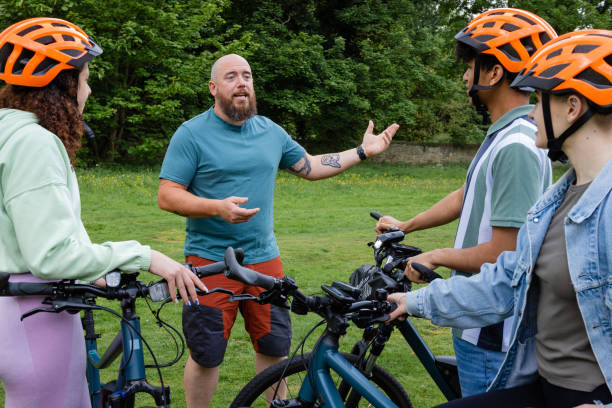
Bike hire is available at our Bradford base if booked 24 hours ahead. If you have your own bike, bring it — we will check the fit during session one. Any working bike with functioning brakes is fine to start.
What should I wear?
Comfortable trainers, flexible trousers or shorts, and a breathable top. Avoid loose trouser legs that can catch in the chain — tuck them in or use a clip. A helmet is strongly recommended. You do not need specialist cycling clothing.
How fit do I need to be?
If you can walk briskly for 30 minutes, you can start the programme. We pace sessions for complete beginners. Tell your coach about any injuries or concerns so we can adjust the route.
When can I join a group ride?
After completing the programme or when you can ride 5 km comfortably, join our Social pace band. The ride leader will expect you to know basic signals and braking. Evening canal rides are the gentlest introduction to group riding.
Are e-bikes allowed?
Yes, on Social and Steady rides. Keep assist levels moderate so the group stays together. Brisk band rides are geared toward conventional bikes — check with the leader before joining.